Where Wellness Meets the Landscape
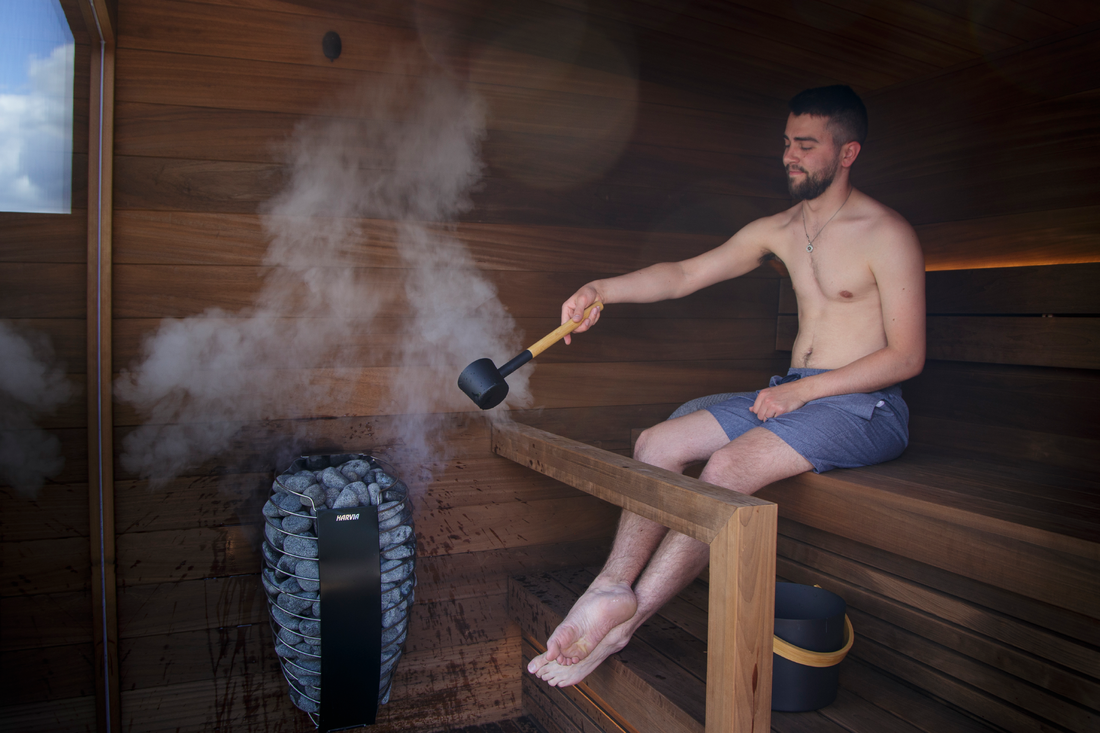
As wellness continues to move beyond the walls of the home, outdoor environments are becoming an extension of daily ritual. Saunas, once confined to interior spaces, are now being thoughtfully integrated into landscapes—positioned not as standalone amenities, but as experiential anchors that shape how people move, gather, and restore.
This shift reflects a broader evolution in residential design: one that prioritizes not just how a space looks, but how it’s lived in.
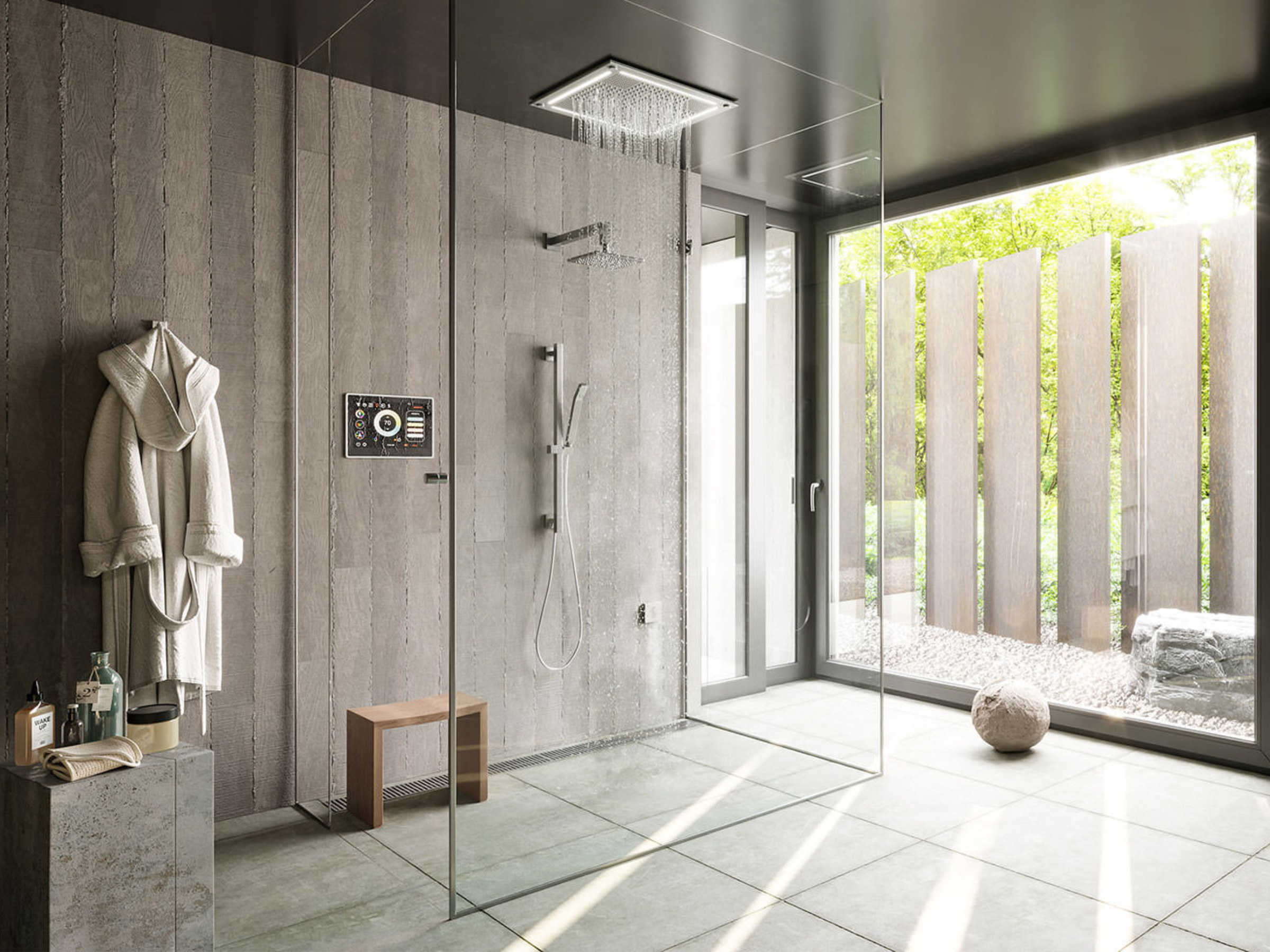
Designing an outdoor sauna begins with understanding flow—how the experience unfolds over time. The most compelling spaces consider arrival, transition, and recovery. Whether moving from pool to heat, from shower to open air, or from warmth to a place of rest, these moments define the ritual.

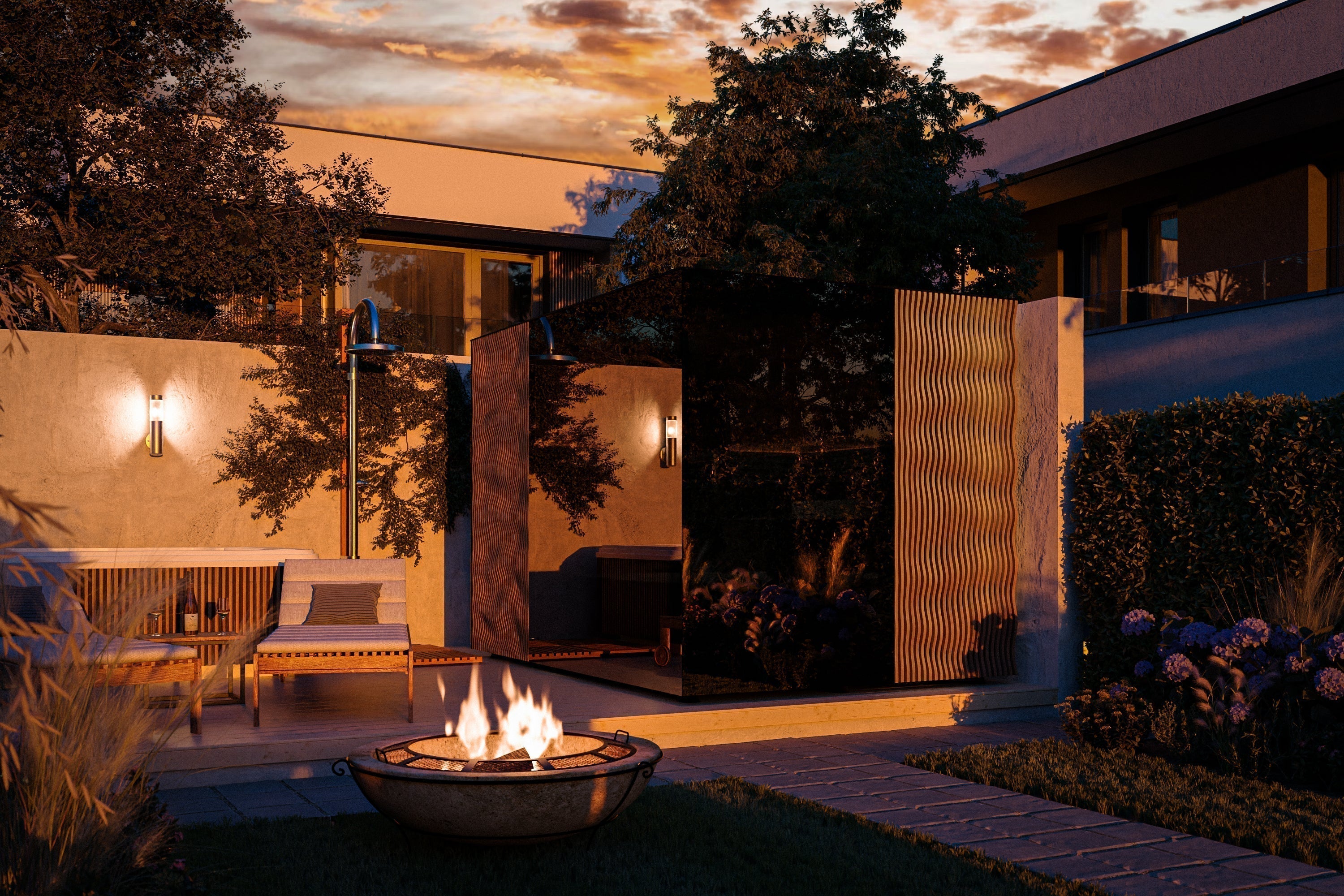
Equally important is how the sauna engages with its surroundings. Rather than simply placing a structure outdoors, designers are framing specific perspectives—morning light through trees, expansive horizons, or intimate courtyard views. The landscape becomes an active participant in the experience, shifting with the seasons and time of day.
Privacy and exposure must be carefully balanced. Materials, orientation, and surrounding architecture work together to create a sense of openness without sacrificing comfort. Reflective glass, natural screening, and thoughtful siting allow the experience to feel immersive while remaining protected.
Materiality also plays a critical role. The sauna should feel cohesive with the broader environment, drawing from the same palette and architectural language as the home. Whether grounded in rustic textures, modern minimalism, or coastal restraint, continuity reinforces the sense that the space was always meant to be there.

As more homeowners—and hospitality properties—embrace outdoor wellness, the sauna is evolving from a feature into a framework. It encourages a slower pace, invites connection, and creates a rhythm that extends beyond the space itself.

In this new era of design, the most successful wellness environments are not defined by the products within them, but by the experiences they enable—spaces that adapt, respond, and ultimately, restore.