Where Wellness Expands — Without Losing Intention
In colder seasons, wellness turns inward.
As light lingers longer and doors open wider, it expands.
Movement increases. Gathering feels easier. The spaces we inhabit begin to breathe differently.
Wellness does not disappear in this transition — it adapts. It moves outward. It becomes expressive. It extends beyond private moments and into shared experiences — into material choices, outdoor living, and the rhythm of everyday life.
From Personal Sanctuary to Social Ritual
The modern home no longer separates restoration from living.
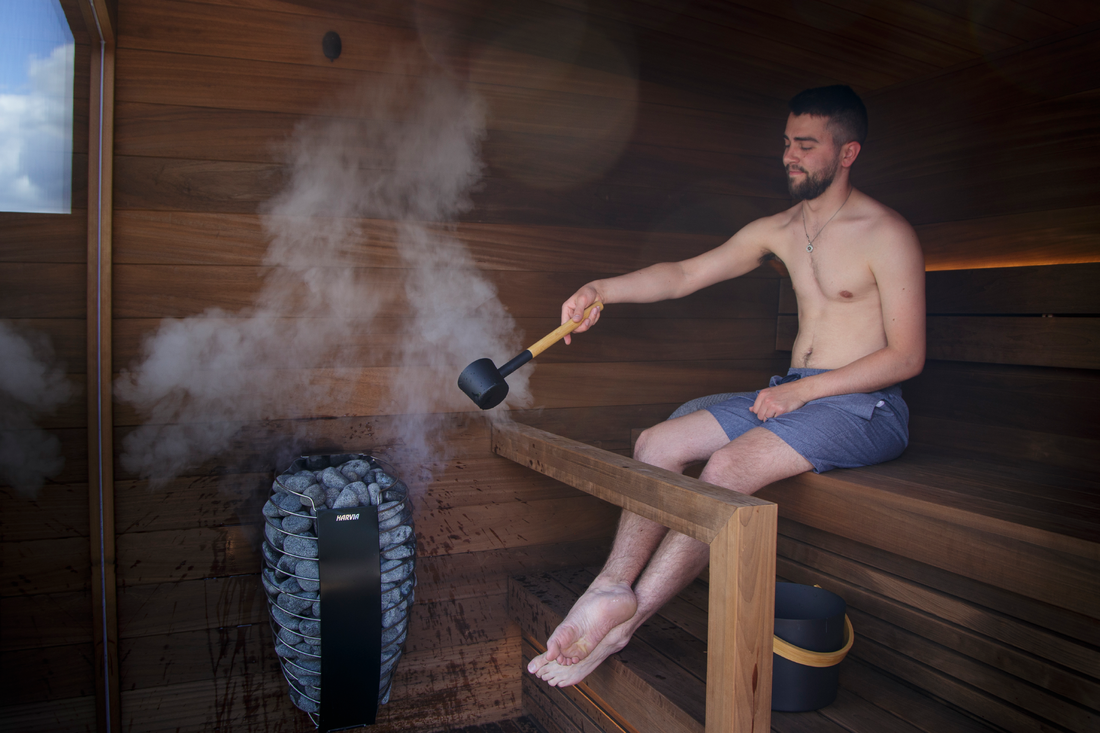
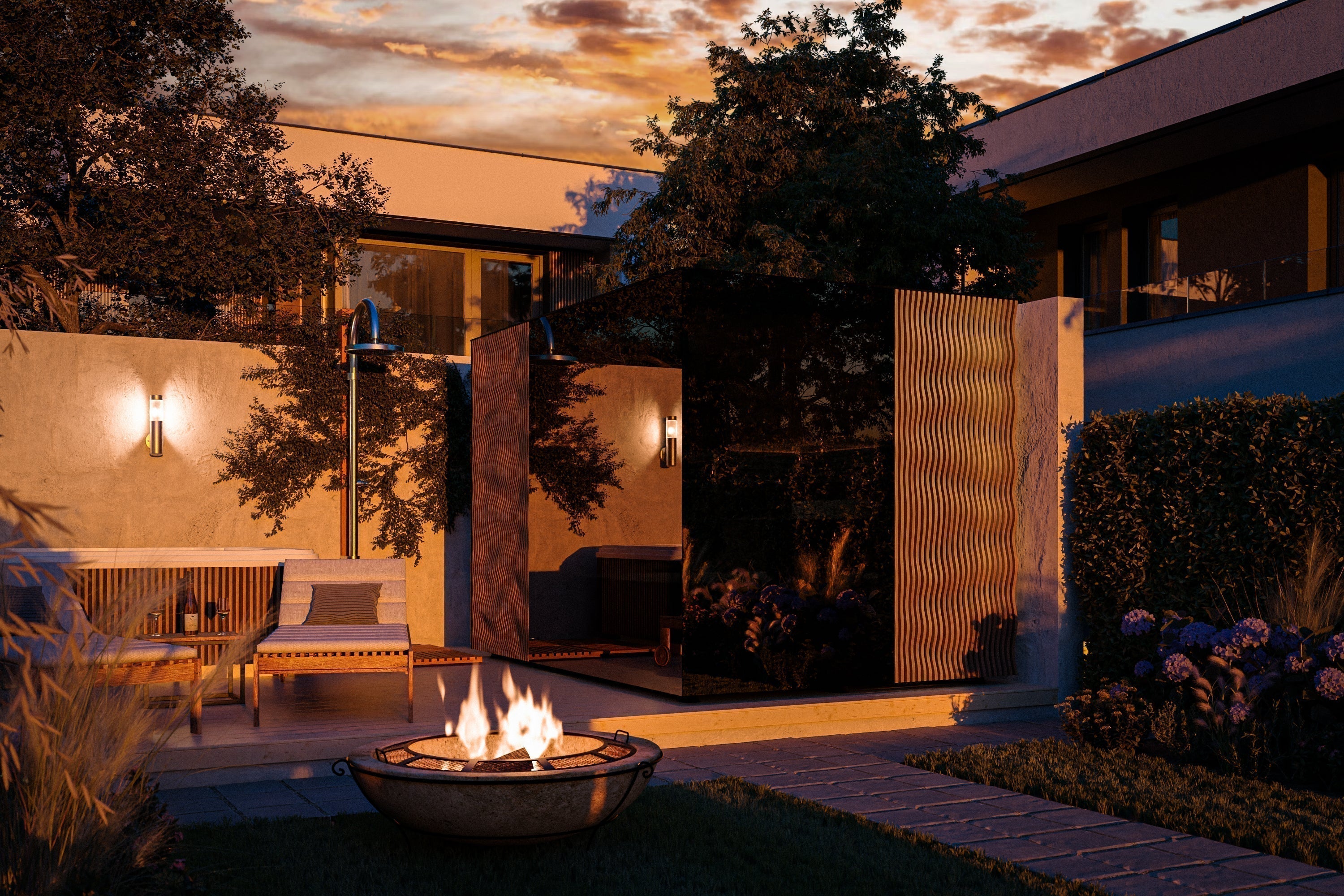
Sauna moves outdoors.
Steam connects to open-air courtyards.
Thermal experiences extend beyond four walls.
The transition between heat and open air becomes part of the ritual itself.
Wellness becomes architectural.
It’s not hidden.
It’s designed.
Design professionals are no longer adding amenities. They’re crafting sequences — spaces that guide how we enter, heat, cool, rest, and reconnect. And when environments open up, those sequences extend beyond four walls.

Material as Experience
Rituals of design begin with materiality.
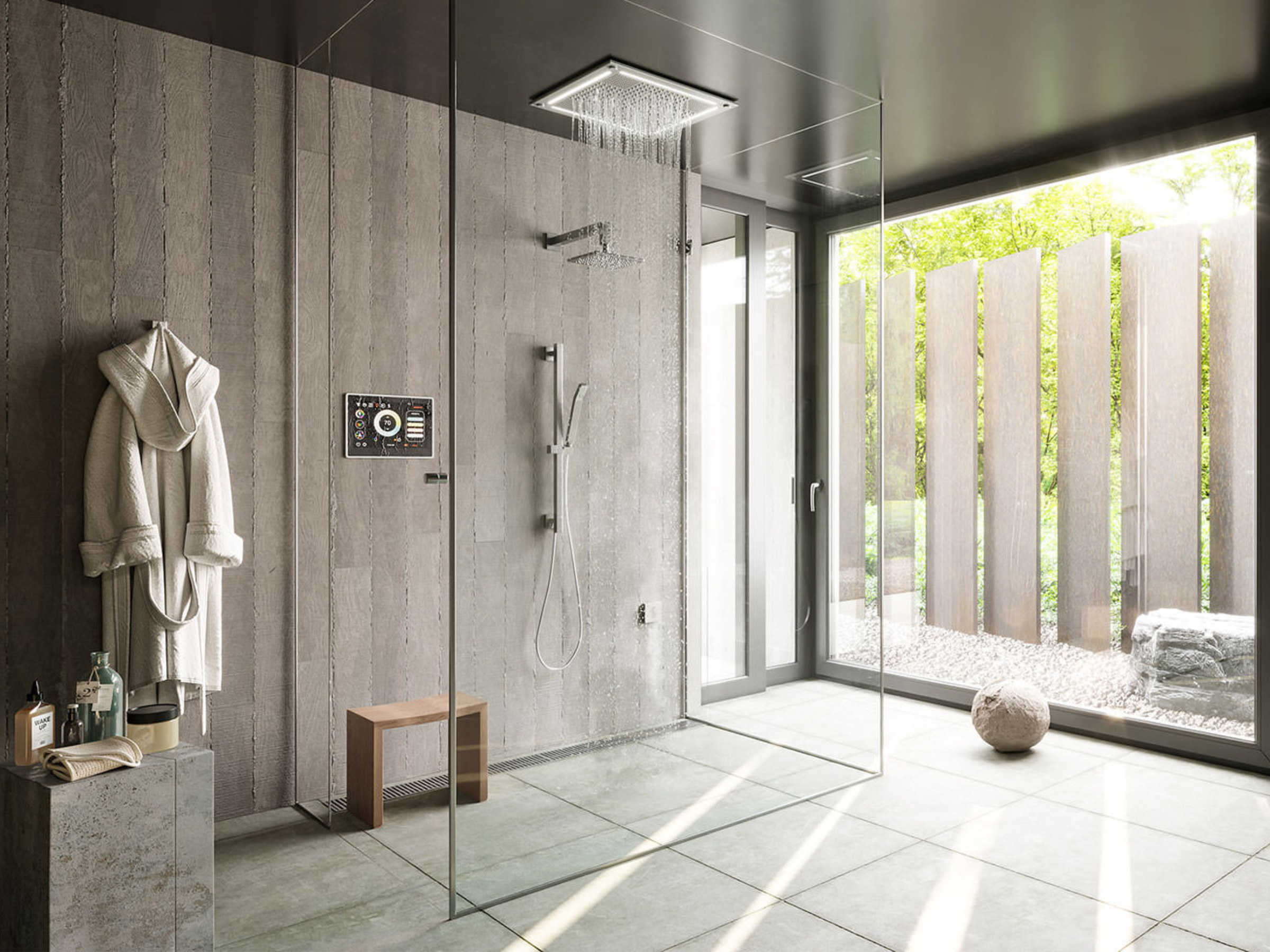
Thermal experiences are deeply sensory. Stone holds temperature. Wood softens acoustics. Glass frames the landscape. Lighting shifts mood from day to dusk.

In outdoor environments, especially, the contrast between heat and air becomes part of the ritual.
Designers understand this instinctively:
- Texture affects how heat feels.
- Scale affects how gathering feels.
- Placement affects how ritual flows.
Wellness isn’t an object inside a room. It’s the atmosphere of the room itself.
Movement, Transition, Return
Wellness is not static.
Morning workouts that end in heat.
Afternoons that move between sun, air, and restoration.
Evenings that transition from conversation to sauna to open-air cool down.

Ritual becomes cyclical.
It’s not just about recovery — it’s about rhythm.
And when design supports that rhythm, wellness stops feeling scheduled. It feels natural.
The Rise of Outdoor Thermal Living
As lifestyles expand outdoors, so does thermal design.

Outdoor saunas.
Wellness terraces.
Private courtyards designed for restoration.
Dedicated spaces for cooling down and lingering after heat.
Even as these spaces become more expressive and social, intention remains central.
The most successful projects are not the largest or most dramatic. They are the most considered.
Ventilation. Sightlines. Privacy. Landscape integration. Circulation flow. Designers are shaping not just how these spaces look — but how they feel when inhabited by multiple people, across seasons.
An Invitation
Design wellness that breathes with the seasons.
Expand sanctuary outward.
Create environments that support movement, gathering, and return.
Because the most enduring wellness spaces are not confined to a single room.
They move with us.
They adapt with us.
And when shaped with intention, they become part of how we live — every day.